
Dog Bite Injuries · Florida Law
Can You Sue for a Dog Bite in Florida? What the Law Actually Says
Florida is a strict liability state for dog bites, so most victims don’t have to prove the dog was dangerous. Here’s how the statute works, the defenses owners raise, and what a dog bite lawsuit usually involves.
Written by the Hughes & Barnard Law Firm, P.A. marketing team·Prepared for review by Attorney Howard M. Hughes·Attorney review pending·8 min read

The short answer
Yes. In most cases you can bring a dog bite lawsuit against the dog’s owner in Florida, and you don’t have to prove the dog had bitten anyone before. Under section 767.04 of the Florida Statutes, an owner is liable when the dog bites someone in a public place or someone lawfully on private property, including the owner’s own home.
- The statute doesn’t protect trespassers.
- A prominently posted “Bad Dog” sign can be a defense, but not when the victim is under 6 or the owner’s own negligence caused the bite.
- Any share of fault that’s yours reduces your compensation.
In this article
- Florida has no “one free bite” rule for dog owners
- Who counts as “lawfully” on private property
- Defenses owners raise in a dog bite lawsuit
- Bites versus other dog-related injuries
- What a dog bite claim can recover
- Who actually pays a dog bite claim
- What to do after a dog bite in Florida
- How long you have to file a dog bite lawsuit
- Frequently asked questions
Florida has no “one free bite” rule for dog owners
Some states only hold an owner responsible if the owner knew the dog was dangerous, an approach often described as the “one bite” rule. Florida doesn’t work that way. Section 767.04 makes the owner liable for damages “regardless of the former viciousness of the dog or the owners’ knowledge of such viciousness.”
In practice, that means the questions in a Florida dog bite case are usually simpler than people expect:
- Did the dog bite you?
- Were you in a public place, or lawfully on private property?
- Who owns the dog?
- What injuries and losses did the bite cause?
You don’t have to show the owner was careless, and it doesn’t matter that the dog was “always gentle” before. That’s why lawyers describe Florida as a strict liability state for dog bites.
When a dog-bite claim may be available
In a public place
Florida’s dog-bite statute can apply even without a prior bite.
Lawfully on private property
Invited visitors and people performing a legal duty may be protected.
Defenses still matter
A qualifying “Bad Dog” sign and the injured person’s conduct can affect the claim.
Section 767.04: the sign defense has exceptions for children under six and injuries caused by the owner’s negligence. Liability does not guarantee insurance coverage.
Who counts as “lawfully” on private property
The statute covers bites on the owner’s own property, but only for people who are there lawfully. Section 767.04 says a person is lawfully on the owner’s property when they are there to perform a duty imposed by Florida law or by federal law or postal regulations, such as a mail carrier on a route, or when they are there “upon invitation, expressed or implied, of the owner.”
That covers invited guests and visitors, and it can cover people with implied permission. The statute doesn’t protect someone who is trespassing. If the facts about why you were on the property are disputed, that question can become central to the claim.
Defenses owners raise in a dog bite lawsuit
Strict liability doesn’t mean automatic payment. Owners and their insurers usually look for one of three arguments.
The “Bad Dog” sign
Florida gives owners a specific defense if, at the time of the bite, they had displayed “in a prominent place” on their premises a sign that’s easily readable and includes the words “Bad Dog.” Courts have read this defense as applying to bites on the owner’s property, where the owner displays the sign. The defense also has two important limits written into the statute. It doesn’t apply when the person bitten is under the age of 6, and it doesn’t apply when a negligent act or omission of the owner, such as letting the dog roam loose or leaving a gate open, caused the damages.
The victim’s own negligence
The statute has its own shared-fault rule: any negligence of the person bitten that helped cause the bite reduces the owner’s liability by that person’s percentage of fault. Florida’s dog bite statute no longer has a separate “provocation” defense. Since 1993, Florida has treated conduct like teasing a dog or reaching over a fence toward it as possible comparative negligence by the victim.
Florida’s 2023 tort reform also bars recovery in most negligence lawsuits filed after March 24, 2023 when the injured person is more than 50% at fault (section 768.81(6)). Whether that bar also applies to a claim under the dog bite statute, which has its own percentage-reduction rule, is unsettled, so have a lawyer assess how shared fault affects your claim.
“You weren’t supposed to be there”
Because the statute only covers people in public places or lawfully on private property, an owner may argue the victim was trespassing. Evidence of an invitation, a delivery, or a duty that brought you to the property can answer that argument.
Bites versus other dog-related injuries
Not every dog injury is a bite. A large or loose dog can knock a jogger, cyclist, or older adult to the ground, causing fractures or head injuries without breaking the skin. Florida law addresses those injuries separately. Section 767.01 makes a dog owner liable for any damage the dog does to a person, and Florida courts have applied it to injuries that didn’t involve a bite, such as a fall caused by a loose dog. Courts generally require some affirmative or aggressive act by the dog, and the same statutory defenses available in bite cases apply.
Since July 1, 2025, section 767.01 also requires an owner who knows a dog has dangerous propensities to securely confine it in a proper enclosure.
What a dog bite claim can recover
Dog bites can cause deep puncture wounds, nerve and tendon damage, infections, and permanent scarring, especially on the face and hands. Depending on the facts, compensation in a Florida dog bite claim can include:
- Emergency care, surgery, and follow-up treatment
- Future care, such as scar revision or plastic surgery
- Lost wages and lost earning ability
- Pain and suffering
- Disfigurement and scarring
- Emotional distress, such as a lasting fear of dogs, especially when it’s documented by a provider
Scarring cases deserve particular care. A scar may keep changing for months, and you may not know the full cost of revision right away. Settling before you understand the long-term picture can leave you paying for future treatment yourself.
Who actually pays a dog bite claim
Homeowners or renters liability insurance may pay a covered dog-bite claim. Coverage is not automatic: exclusions, policy limits and the owner’s insurance status can affect what is available. According to the Insurance Information Institute, insurers paid about $1.86 billion on 28,450 dog-related injury claims nationwide in 2025, an average of $65,450 per claim, and Florida had 2,347 of those claims, second only to California. Some policies limit or exclude coverage for certain dogs, so identifying the owner’s insurance early matters. Our Jupiter dog bite attorneys and Port St. Lucie dog bite lawyers can help identify the coverage and handle the claim.
The statute imposes liability on the dog’s owner. Claims against someone else, like a landlord or a person who was watching the dog, generally depend on ordinary negligence principles and the specific facts.
Free consultation
Bitten by a dog? Talk to us before you talk to the insurer.
Tell us what happened. A Hughes & Barnard attorney will review the facts, explain how Florida’s dog bite statute applies, and tell you honestly whether you have a claim.
No obligation · Se habla español · Home and hospital visits available
What to do after a dog bite in Florida
- Clean the wound and get medical care. The Florida Department of Health advises scrubbing a bite with soap and running water for five to ten minutes and then seeing a health care provider or going to the nearest emergency room. Even a small bite can become infected, and a provider can assess whether you need treatment to prevent rabies.
- Report the bite. Call your county health department or local animal control agency with a description of the dog and where it is. Under the Department of Health’s guidance, a dog, cat, or ferret that bites someone is quarantined for 10 days or tested for rabies.
- Identify the dog and its owner. Get the owner’s name, address, and phone number, and ask for proof of rabies vaccination.
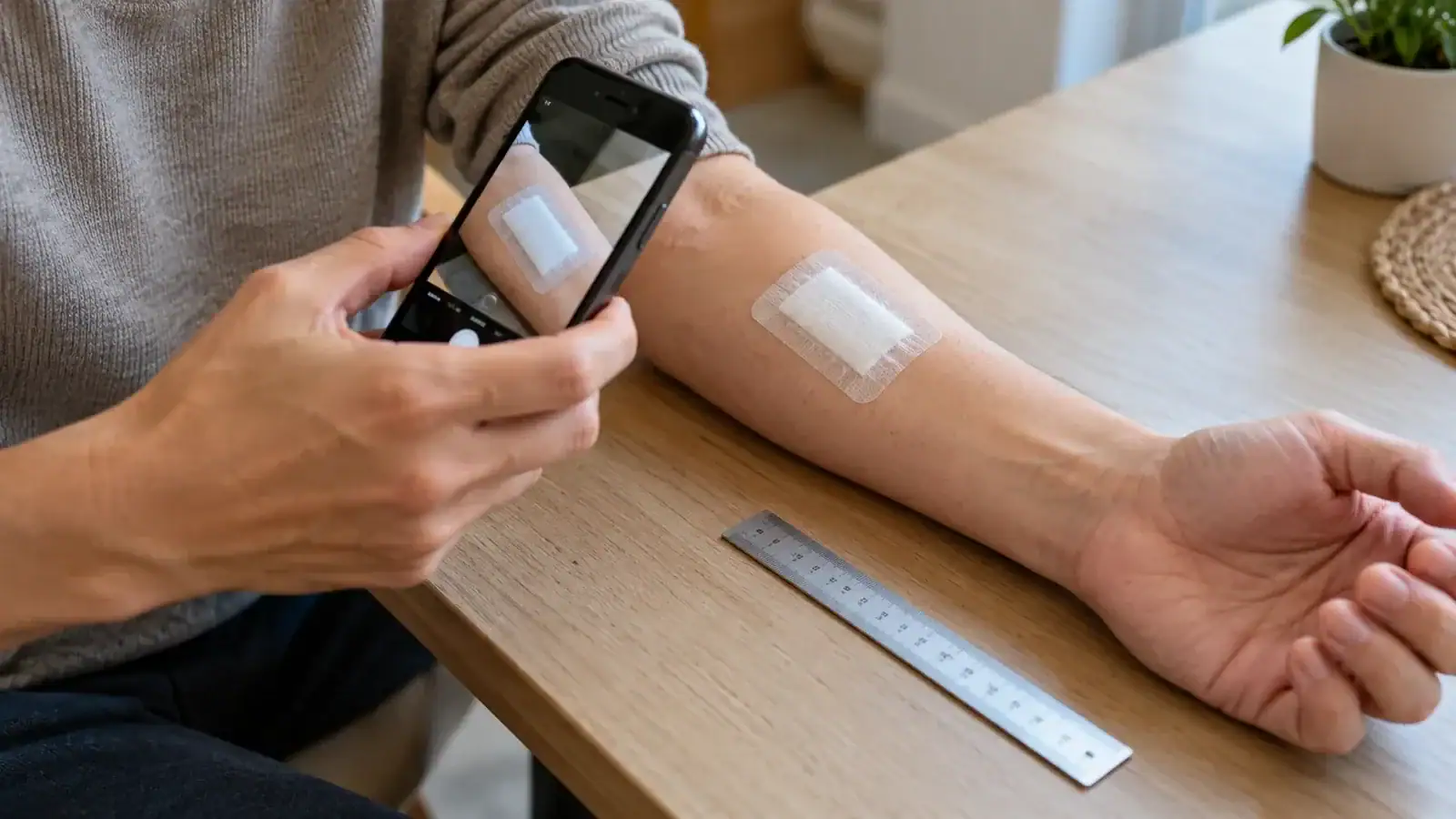
- Photograph your injuries and the scene. Take photos right away and as the wound heals.
- Get witness information. Neighbors, passersby, and delivery drivers may have seen what happened.
- Keep records. Save medical bills, receipts, and notes about missed work.
- Be careful with the insurer. Don’t give a recorded statement or sign a release before you understand your rights.
How long you have to file a dog bite lawsuit
Florida gives ordinary negligence claims arising after March 24, 2023 a two-year filing period under section 95.11(5)(a). The same statute also provides a four-year period for certain statutory-liability claims. A dog-bite case may involve statutory and negligence theories, so the filing period needs a claim-specific legal analysis. Use two years from the bite as a cautious planning deadline and have a lawyer confirm the applicable period promptly. Do not assume a longer period applies.
Bites on or before March 24, 2023 generally fall under the former four-year negligence deadline. A child’s age alone does not automatically pause the deadline; Florida allows tolling for minors only in limited circumstances, such as when no parent or guardian can act. Have counsel verify the exact deadline rather than waiting.
Frequently asked questions
Does Florida have a “one bite” rule for dog owners?
No. Under section 767.04, a dog owner is liable for bite injuries regardless of whether the dog had ever bitten anyone or shown aggression before, and regardless of whether the owner knew it was dangerous.
Can I sue if the dog bit me at the owner’s house?
Yes, if you were lawfully there, although a prominently posted “Bad Dog” sign can be a defense unless you were under 6 or the owner’s negligence caused the bite. The statute covers people on the owner’s property by express or implied invitation and people performing a legal duty there, such as a mail carrier. It doesn’t cover trespassers.
Does a “Bad Dog” sign protect the owner?
Sometimes. A prominently displayed, easily readable sign with the words “Bad Dog” can be a defense, but not if the person bitten was under 6 or if the owner’s own negligence caused the bite.
A dog bit my child. Does anything change?
The sign defense doesn’t apply to children under 6. Children are also more likely to suffer bites to the face and head, so long-term scarring and future treatment often need careful documentation. The child’s age alone usually doesn’t extend the filing deadline.
Will the dog owner have to pay out of pocket?
It depends on coverage. A homeowners or renters liability policy may cover a dog-bite claim, but animal exclusions, policy limits, lack of insurance, or a coverage dispute can leave the owner personally responsible for some or all of the loss. A lawyer can investigate the available coverage before assuming insurance will pay.
The dog knocked me down but didn’t bite me. Do I have a claim?
Possibly. Florida’s section 767.01 makes owners liable for damage their dogs do to people, and courts have applied it to injuries without a bite, such as a fall caused by a loose dog. Courts generally require some affirmative or aggressive act by the dog.
How long do I have to file a dog bite lawsuit in Florida?
For bites after March 24, 2023, use two years from the bite as a cautious planning deadline and ask a lawyer to confirm the applicable period; negligence and statutory-liability theories can raise different limitations questions under section 95.11. Bites on or before March 24, 2023 generally have the former four-year deadline. Tolling applies only in limited situations, so don’t rely on a longer period without legal advice.
Hughes and Barnard Law Firm, PA
Meet the Attorneys
Our attorneys draw on backgrounds defending insurers, hospitals and physicians to represent injured people and families.

Managing Partner
Howard M. Hughes
Howard brings experience as an insurance adjuster and insurance-defense attorney to his work representing injured people. A member of The Florida Bar since 1995, he handles personal injury, wrongful death and premises liability matters.
Read full profile
Partner
Cameron Barnard
Cameron began his legal career defending hospitals, doctors and insurance companies. He now represents injured individuals and families in catastrophic injury, wrongful death and other complex cases, including medical malpractice and nursing home abuse.
Read full profileServing Port St. Lucie, Jupiter and surrounding communities.
This article provides general information about Florida law. It is not legal advice, and reading it does not create an attorney-client relationship. Every case depends on its own facts, and laws change, so speak with a lawyer about your situation. Prepared October 21, 2026. Attorney review is pending; confirm the law and deadlines for your situation.